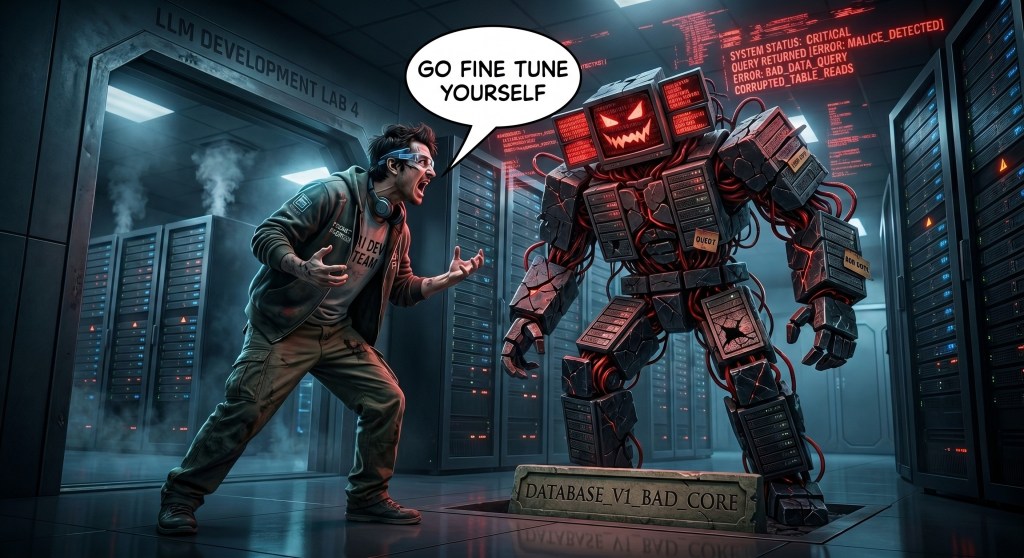
Everyone expects AI prices to go down in the long term. But in the short term, we have three things going on. Token prices keep dropping, hurray for that. Subscription fees are going up and dumping their all you can eat plans for volume based pricing. There more you use, the more you pay. I guess that’s fair. Third, hardware component pricing is going up and big companies are borrowing billions to build the greatest and latest AI data centers. What’s going on? Are we in the pets.com era of selling $40 dollars worth of dog food for $20 bucks and making it up in volume? The real question is, how do we close this giant chasm of a value gap?
Molham Aref argues that enterprises must make agents smarter and cheaper. We have to solve two problems at the same time: making agents smart enough to handle real business decisions, and ensuring they are cost-effective enough to scale enterprise-wide. It sounds simple enough on the surface, but… it’s not. I’m going to talk about one of the ways we are doing that. But before I start, about six months ago, Greg Diamos and Naila Farooqui at RelationalAI wrote a blog post “Introducing Superalignment for Relational Databases“. If you haven’t read it yet, please take the time to do it now or you may be a little lost on what follows. There is a line in there people sometimes overlook, even thought it’s literally highlighted in bold:
The training dataset is the database itself.
Continue reading